Pu-erh Tea
Chinese people have cultivated and consumed tea for over 2,000 years. Tea-drinking culture first spread to the Middle East via the ancient Silk Road. After Portuguese merchants brought tea from the Middle East to Europe, tea gradually became popular in Portugal. It is said that when Portuguese princess Catherine of Braganza married King Charles II of England in 1662, tea was included in her dowry. She loved drinking tea and helped introduce the habit to the English royal court. Later, the British aristocracy began to follow her example, and tea drinking gradually became fashionable in England.
The tea from China became one of the most important commodities of British trade during the 17th-19th centuries.But they sold opium to us! In the mid-19th century, Britain brought tea plants from China to India and began producing tea in Darjeeling in order to break China’s monopoly on tea. In the end, they made it. Today China is still the biggest tea producer in the world, with India, Sri Lanka and Kenya following closely behind.
Among the hundreds of varieties of Chinese tea, Pu-erh tea from Pu-erh of Yunnan Province is one of the most well-known and popular Chinese teas in the Korean market due to its weight-loss and cholesterol-lowering benefits. Pu-erh tea is especially good after greasy or oily meals because it helps cleanse the palate and cut through the richness. Pu-erh tea can also be used for skincare. Washing your face with Pu-erh tea may help increase the antioxidant capacity of facial skin. It is also known to have antifungal, anti-inflammatory, and pain-relieving effects.
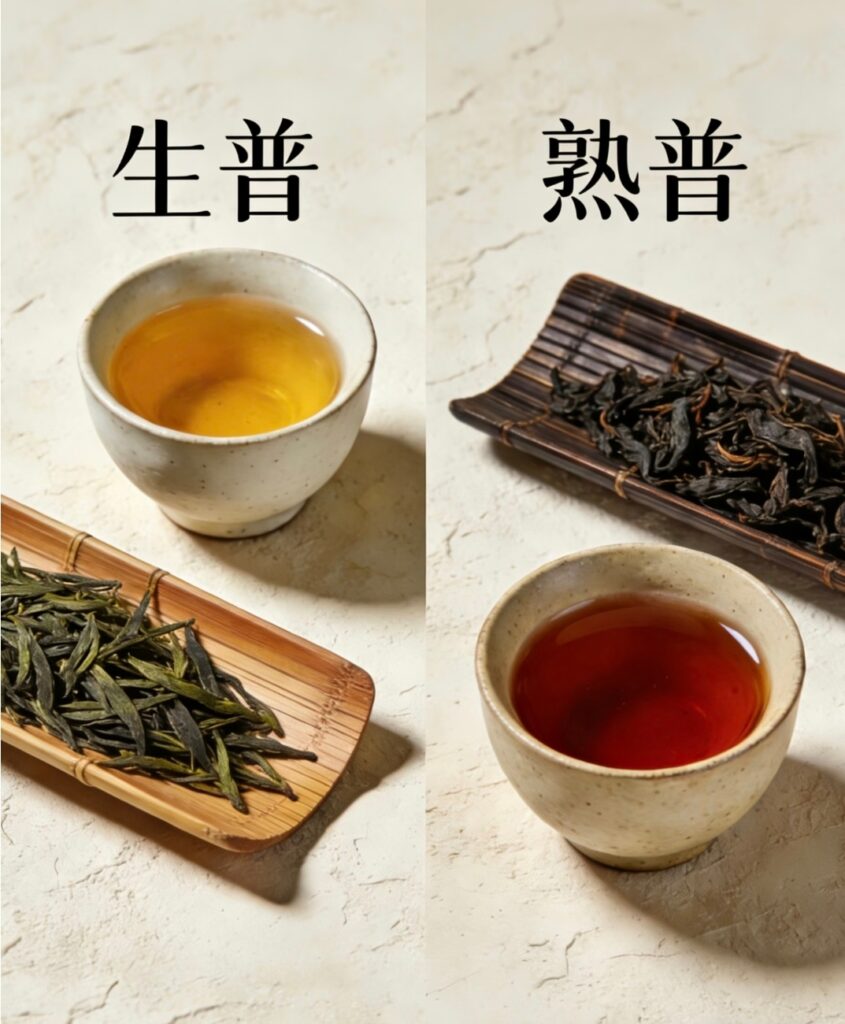
There are two major types of Pu-erh tea: the naturally aged “Raw Pu-erh” and the cooked “Ripe Pu-erh”. “Raw Pu-erh” refers to loose leaves, tea cakes made from raw materials without additional processing. “Raw Pu-erh” can be consumed immediately to enjoy its fresh flavor, or it can be left to age in a natural environment for years to achieve a mellower flavor. “Ripe Pu-erh” is made from loose leaves undergoing a controlled post-fermentation process. In general, people leave the tea to sit for ten to thirty years to mature and achieve the aged flavor. Similar to wine, the more aged Pu-erh tea is, the better it tastes.
Pu-erh tea has such a distinctive flavor that once you try it, it’s hard to forget. Brewing Pu-erh tea is easy. First, rinse and warm the teapot and tea cups with hot water. Then add some tea leaves into the teapot, rinse tea leaves with hot water, discard water. The final step is to slowly fill teapot with boiling water and infuse for 3 – 4 minutes. The experienced tea drinker can decide the infusing time by judging the color of the rinse. Usually, Pu-erh tea can be brewed up to 10 infusions. Although Pu-erh tea has many health benefits, you need to know the fact that drinking large amounts of Pu-erh tea might also cause side effects due to the caffeine content. However, the side effects appear rarely as long as you keep the daily consumption under control.
중국인은 2,000년 이상 차를 재배하고 마셔 왔다. 차를 마시는 문화는 고대 실크로드를 통해 처음 중동으로 전파되었다. 이후 중동의 포르투갈 상인들이 차를 포르투갈로 가져오면서, 포르투갈에서 차를 마시는 문화가 점차 인기를 끌기 시작했다. 1662년 포르투갈 공주 캐서린 브라간자가 영국 국왕 찰스 2세와 결혼할 때, 차가 그녀의 혼수품에 포함되어 있었다고 전해진다. 그녀는 차 마시는 것을 좋아했고, 이 습관을 영국 왕실에 소개하는 데 도움을 주었다. 이후 영국 귀족들이 그녀를 따라 하기 시작하면서, 차를 마시는 문화가 영국에서도 점차 유행하게 되었다.
중국산 차는 17~19세기 중영 무역에서 가장 중요한 상품 중 하나가 되었다. 근데 그 사람들은 우리에게 아편을 팔았다!!! 19세기 중반, 영국은 중국의 차 독점을 해소하기 위해 중국의 차나무를 가져가 인도의 다르질링에서 차나무 재배를 시작했다. 그리고 결국 성공했다. 하지만 오늘날 중국은 여전히 세계에서 가장 큰 차 생산국이며, 그 뒤를 인도, 스리랑카, 케냐가 잇고 있다.
수백 종의 중국 차 중에서 운남성 보이 지역에 생산된 보이차(普洱茶)는 체중 감량과 혈중 콜레스테롤 수치 감소 효과로 인해 한국 시장에서 가장 유명하고 인기 있는 중국 차 중 하나이다. 보이차는 느끼함을 잘 잡아주기 때문에, 특히 기름진 음식을 먹은 뒤에 마시면 좋다. 사실 보이차는 스킨케어에도 활용할 수 있다. 보이차로 세안하면 피부의 항산화 능력을 높이는 데 도움이 될 수 있다. 또한 보이차에는 항진균, 항염증, 진통 효과가 있다고 알려져 있다.
보이차에는 자연 숙성된 “생차(生茶)”와 가공 발효된 “숙차(熟茶)”의 두 가지 주요 유형이 있다. 생차는 추가 가공 없이 원료로 만든 찻잎이나 차 케이크를 의미한다. 생차는 신선한 풍미를 즐기기 위해 바로 마실 수도 있고, 더 부드러운 풍미를 얻기 위해 수년 동안 자연 환경에서 숙성시킬 수도 있다. 숙차는 발효 과정을 거친 찻잎으로 만들어진다. 일반적으로 사람들은 숙성된 풍미를 얻기 위해 차를 10년에서 30년 동안 보관하기도 한다. 와인과 비슷하게, 오래 숙성된 보이차일수록 맛이 더 깊고 풍부해진다.
보이차만의 맛은 매우 독특해서, 한 번 마셔보면 오래 기억에 남는다. 보이차를 우리는 방법도 어렵지 않다. 먼저 주전자와 찻잔을 뜨거운 물로 헹궈 따뜻하게 데운다. 그다음 주전자에 찻잎을 넣고 뜨거운 물로 가볍게 헹군 뒤, 그 물은 버린다. 마지막으로 끓는 물을 주전자에 천천히 붓고 3~4분 정도 기다리면 된다. 경험이 있는 사람은 우린 물의 색을 보고 우리는 시간을 조절할 수도 있다. 일반적으로 보이차는 최대 10번까지 우려 마실 수 있다. 보이차에는 건강에 좋은 점이 많지만, 카페인이 들어 있기 때문에 너무 많이 마시면 부작용이 생길 수 있다는 점도 알아두어야 한다. 하지만 하루에 마시는 양을 적절히 조절하면 부작용은 거의 나타나지 않는다.
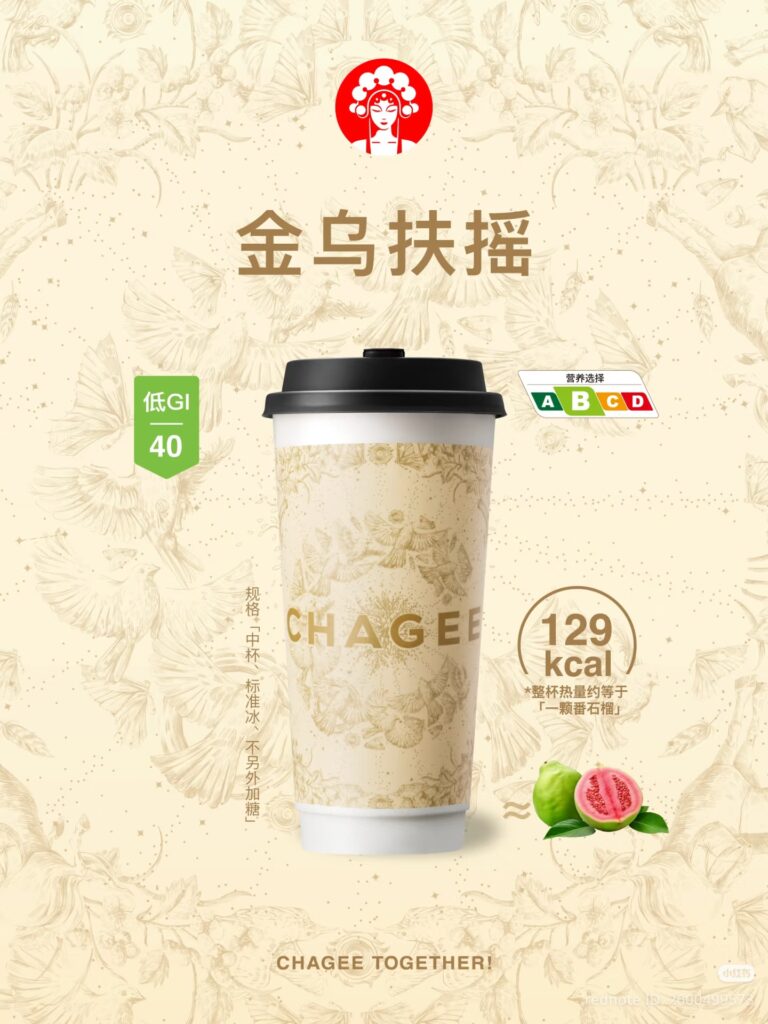
There is a milk tea on the CHAGEE menu called “Jin Wu Fu Yao”, which is made by mixing Pu’erh tea with milk. Unfortunately, it’s not available on the Korean menu.
차지 메뉴 중에 “금오부요(金烏扶搖)”라는 밀크티가 있다.보이차와 우유를 섞어서 만든 음료이다. 아쉽게도 한국 메뉴에는 없다. ㅠㅠ
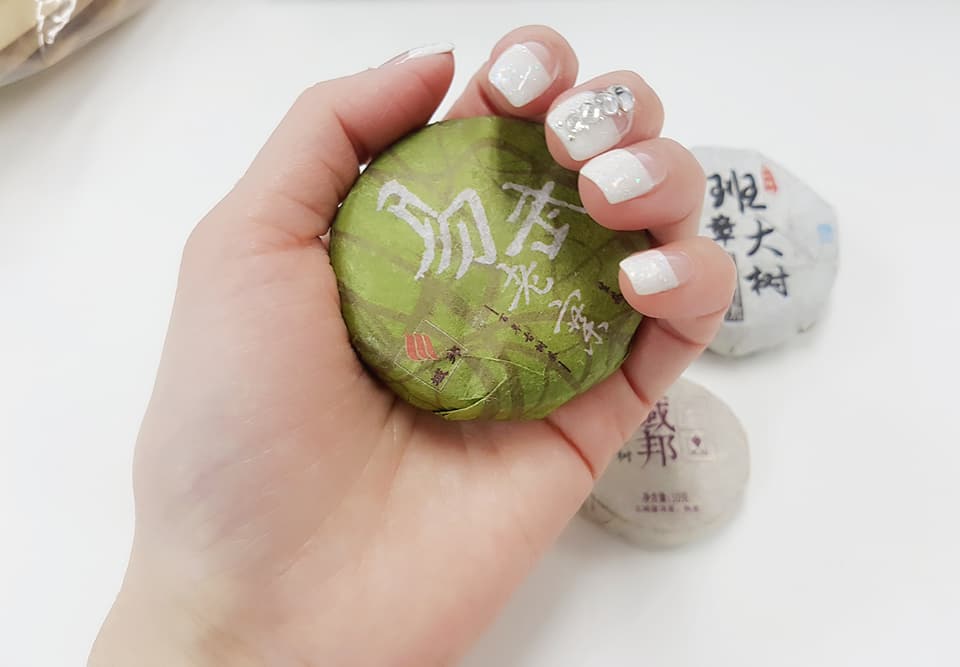
내 손바닥 위의 미니 보이차 차병 ㅋㅋㅋ
